
Biology
Breeding genetically modified mosquitoes against dengue fever
The study, published in NAS's Proceeding magazine, says scientists are cultivating a genetically modified mosquito to fight the spread of dengue outbreaks.
Browse ScienceInfo articles and explainers related to Genetic Modification.
77 published items.
The study, published in NAS's Proceeding magazine, says scientists are cultivating a genetically modified mosquito to fight the spread of dengue outbreaks.

Humans have twice the lifespan of primates like chimpanzees and monkeys ... Meat may be the reason for the differences in genetic structure that explain why people live…

According to a study published in the January 1 issue of BMC Biological Evolution, rice is considered to be the cause of genetic changes that cause Asians to react redde…

If American scientists' research is successful, there will be a new food that provides millions of people. These are genetically modified cottonseed.

Researchers at the Audubon New Orleans Biological Research Center in the United States have created a cat that can emit blue light by modifying its genes.

By changing the NR2B gene, scientists created a mouse
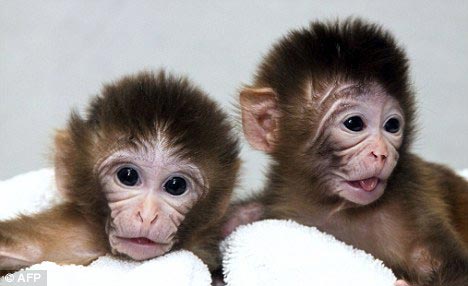
According to the August 27 issue of DailyMail, US scientists took advantage of IVF technology to successfully modify the genetic defects of DNA. They created four health…

The changes of the ATR gene in tumors have increased the risk of recurrence and the death rate of women with cancer of the uterus.

Associate Professor, Dr. Le Huy Ham, Director of the Institute of Agricultural Genetics, said that by 2015, Vietnam will have genetically modified plants created by dome…
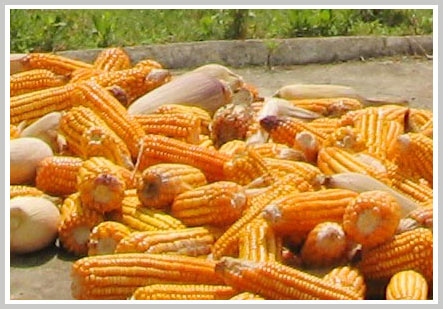
Experimental mice gave birth to fewer children after eating a genetically modified corn. This finding by Austrian scientists led to controversy about the risks of geneti…
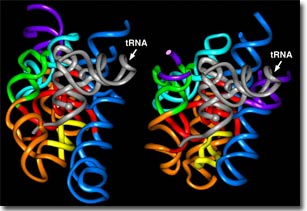
A study by researchers at McGill University found that small differences in DNA sequences in individuals could cause a major contrast in gene synthesis of genes, leading…
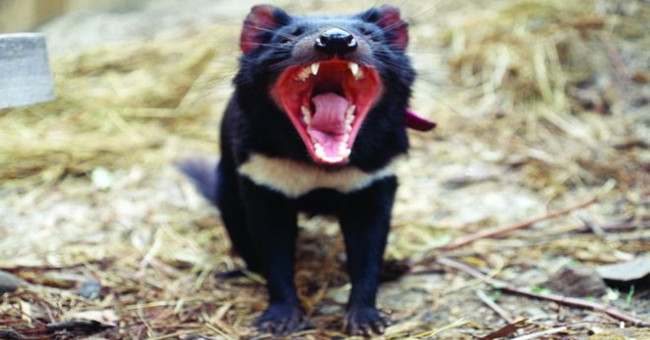
On August 30, scientists announced that the Tasmanian demon had genetically evolved at a surprisingly fast rate and this could help this predator avoid it. Endangered.

A plant capable of detecting mines has just been developed by scientists: genetically modified tobacco plants. This tobacco plant carries a gene that works to produce a…

2018 is the year of many remarkable scientific events, especially in the field of medicine and space science.

His discoveries in science will be the beginning of an era in which people can cure all illnesses and suffering: from autism, schizophrenia to blindness and cancer. .